Navratri is celebrated in unique and fascinating ways across different regions of India. While West Bengal is famous for its grand Durga Puja celebrations and Gujarat for its vibrant Garba, Goa celebrates Navratri with a distinctive tradition known as Makharotsav. This beautiful festival is observed in numerous temples across Goa, particularly in the temples of Ponda, throughout the nine days of Navratri.
For those interested in Goa’s cultural heritage, ancient temples, Hindu festivals, and spiritual tourism, Makharotsav offers a wonderful opportunity to experience the state’s rich traditions beyond its famous beaches.
What Is Makharotsav? A Unique Navratri Festival in Goa
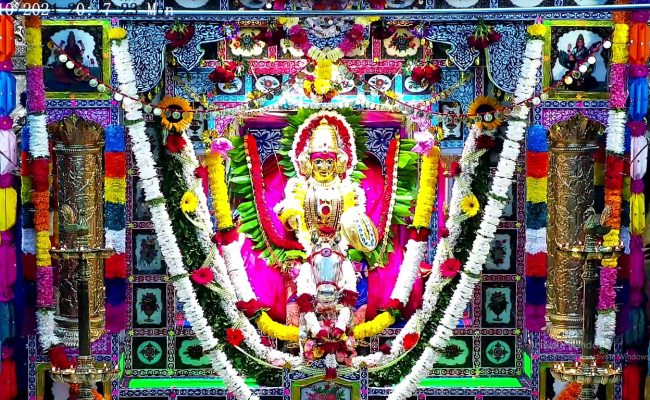
The makhar is a swing-like structure made of a wooden frame. It is suspended from the ceiling by a chain attached to an iron ring. Beautifully decorated with colourful paper and flowers, the makhar becomes the centrepiece of the temple celebrations during Navratri.
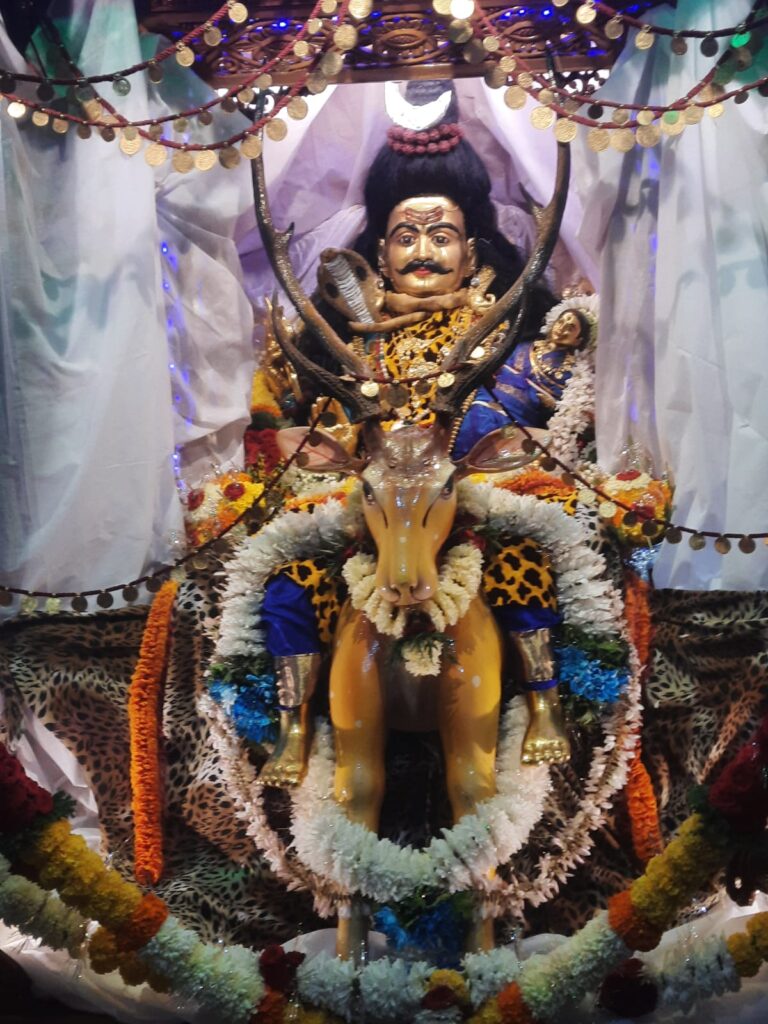
Throughout the nine days of the festival, the deity is seated in the makhar and adorned with different ornaments each day. The deity is also depicted riding various symbolic vehicles, such as an elephant, horse, tiger, or Garuda (eagle).
As the deity swings in the makhar, traditional worship rituals are performed to the accompaniment of musical instruments such as the dhol, taashe, shemel, and shehnai.
Experience the Spiritual Atmosphere of Goa’s Makharotsav
The atmosphere during Makharotsav is truly mesmerising. The dimly lit temple, the radiant image of the goddess illuminated within the beautifully decorated makhar, and the powerful rhythms of traditional musical instruments combine to create an electrifying spiritual experience.
The entire ceremony is so enchanting that it can feel as though the goddess herself is enjoying the gentle swings of the makhar right before your eyes.
History of Makharotsav in Goa: Tracing Its Portuguese-Era Origins
The origins of Makharotsav can be traced back to the Portuguese era in Goa. During this period, many temples from the Salcete, Tiswadi, and Bardez talukas were relocated to Ponda taluka.
Makharotsav symbolises this historical migration of deities and remains an important part of Goa’s religious and cultural heritage.
Interestingly, the festival is not limited to temples dedicated to goddesses. Temples dedicated to male deities, including Lord Mangesh and Lord Ramnath, also celebrate Makharotsav.
While some temples observe the festival for all nine days, from Ghatasthapana to Navami, others celebrate it for five days or begin the festivities on the fifth day of Navratri.

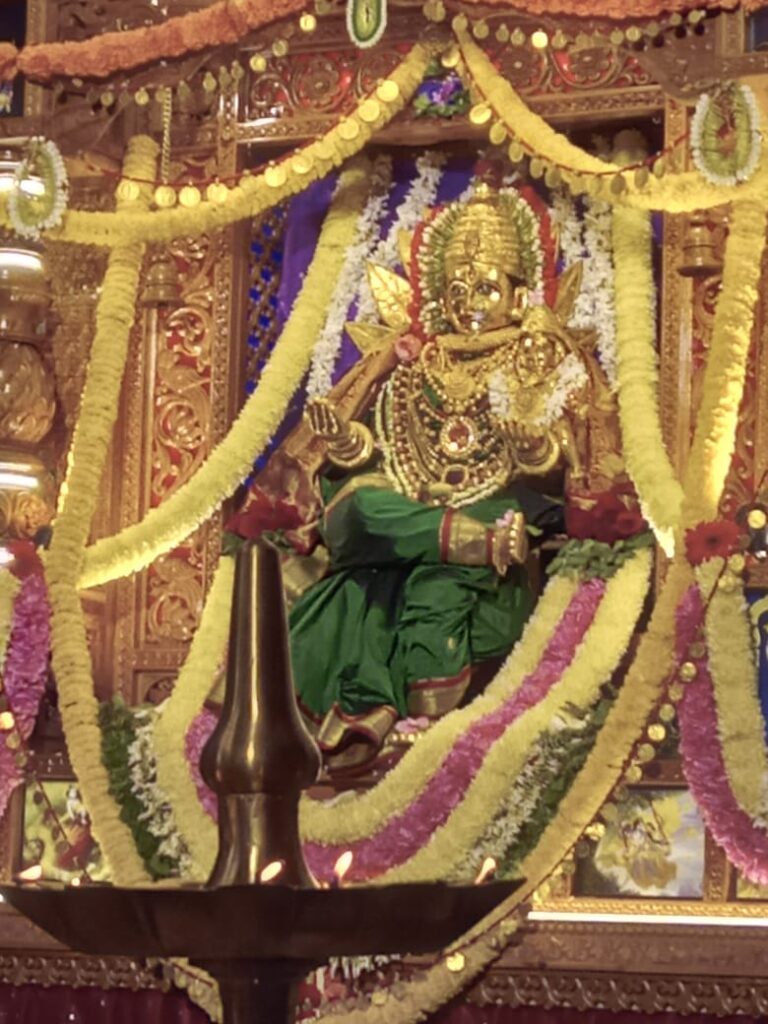
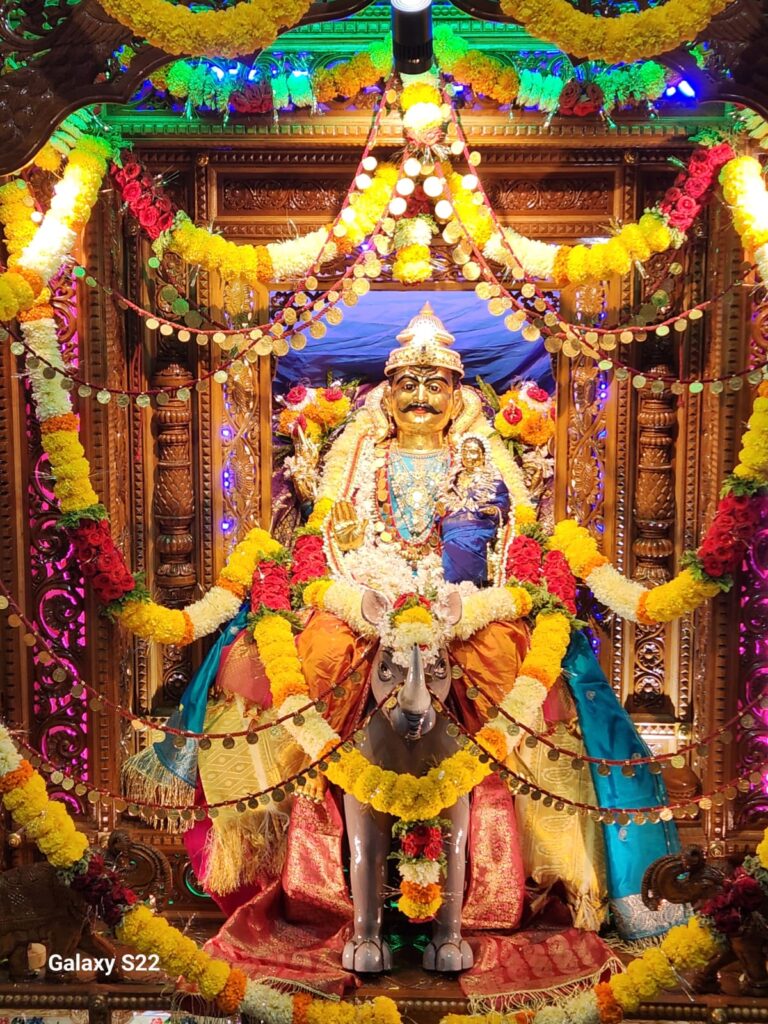
Makharotsav at Mahalasa Narayani Temple, Mardol
The Mahalasa Narayani Temple in Mardol is one of the temples where Makharotsav is celebrated throughout all nine days of Navratri.
The Trimurti on the sixth day and the Panchmurti on the ninth day are special attractions of the festival here.
As the makhar begins to swing gently, its movement gradually becomes faster. At the same time, the tempo of the accompanying music increases, building an atmosphere of devotion and spiritual intensity that is difficult to describe in words.
The grandeur of the traditional music, combined with the rhythmic movement of the makhar, makes the Makharotsav at Mahalasa Narayani Temple a memorable experience for devotees and visitors interested in Goa’s temple festivals.
Makharotsav at Mangeshi Temple: A Thrilling Spiritual Experience
Experiencing Makharotsav at the Mangeshi Temple in Goa is equally thrilling.
Initially, the makhar swings slowly. As it tilts towards the left or right, its movement becomes increasingly rapid, swinging vigorously in both directions.
The concentration, skill, and physical strength demonstrated by the priests as they swing the makhar are truly remarkable. Witnessing this unique ritual offers visitors a fascinating glimpse into the living traditions of Goa’s temples.
Another distinctive feature of the celebrations at Mangeshi Temple is the chanting that follows the swinging ceremony. Once the ritual is complete, priests of different age groups come together to chant mantras in powerful, high-pitched voices, creating a deeply uplifting spiritual atmosphere.
Makharotsav at Devaki Krishna Temple, Marcel
The Devaki Krishna Temple in Marcel offers another beautiful expression of Goa’s distinctive temple traditions.
Here, the goddess Devaki is depicted holding baby Krishna in her lap while seated in the makhar. This unique representation makes the temple’s celebration particularly special.
Unique Makhar Decorations and Traditions Across Goa’s Temples
Every temple in Goa has its own distinctive makhar, varying in size, decoration, and style. The method of swinging the structure also differs from one temple to another, making each celebration unique.
At Mahalasa Narayani Temple, the magnificent traditional music accompanying the makhar captivates devotees and visitors alike. At Mangeshi Temple, the powerful chanting of mantras after the swinging ceremony creates an equally memorable spiritual experience.
These differences highlight the diversity of Goa’s temple traditions and cultural heritage, where each temple preserves its own distinctive rituals while celebrating the same festival.
Vijayadurga Temple, Keri: A Unique Makharotsav Celebration
The Makharotsav tradition can also be experienced at other temples across Goa. One such example is the Vijayadurga Temple in Keri, where the celebration takes place in a distinctive form during the Hindu month of Margashirsha.
Why You Should Experience Goa’s Makharotsav at Least Once
Makharotsav is much more than a religious ceremony. It is a celebration of Goa’s spiritual identity, temple architecture, traditional music, and centuries-old cultural practices.
From the beautifully decorated makhar and its rhythmic movements to the powerful sounds of traditional instruments and devotional chanting, every element creates an experience that stays with you long after the festival ends.
This is the true essence of Goa and its deep-rooted traditions. To witness this rich cultural heritage and experience a different side of Goa beyond its beaches and popular tourist attractions, one must visit the state at least once during this vibrant festival.