Exploring Beyond Ganpatipule
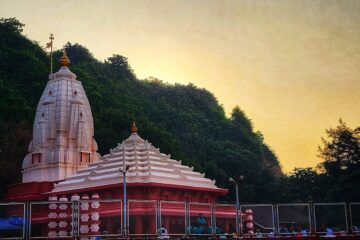
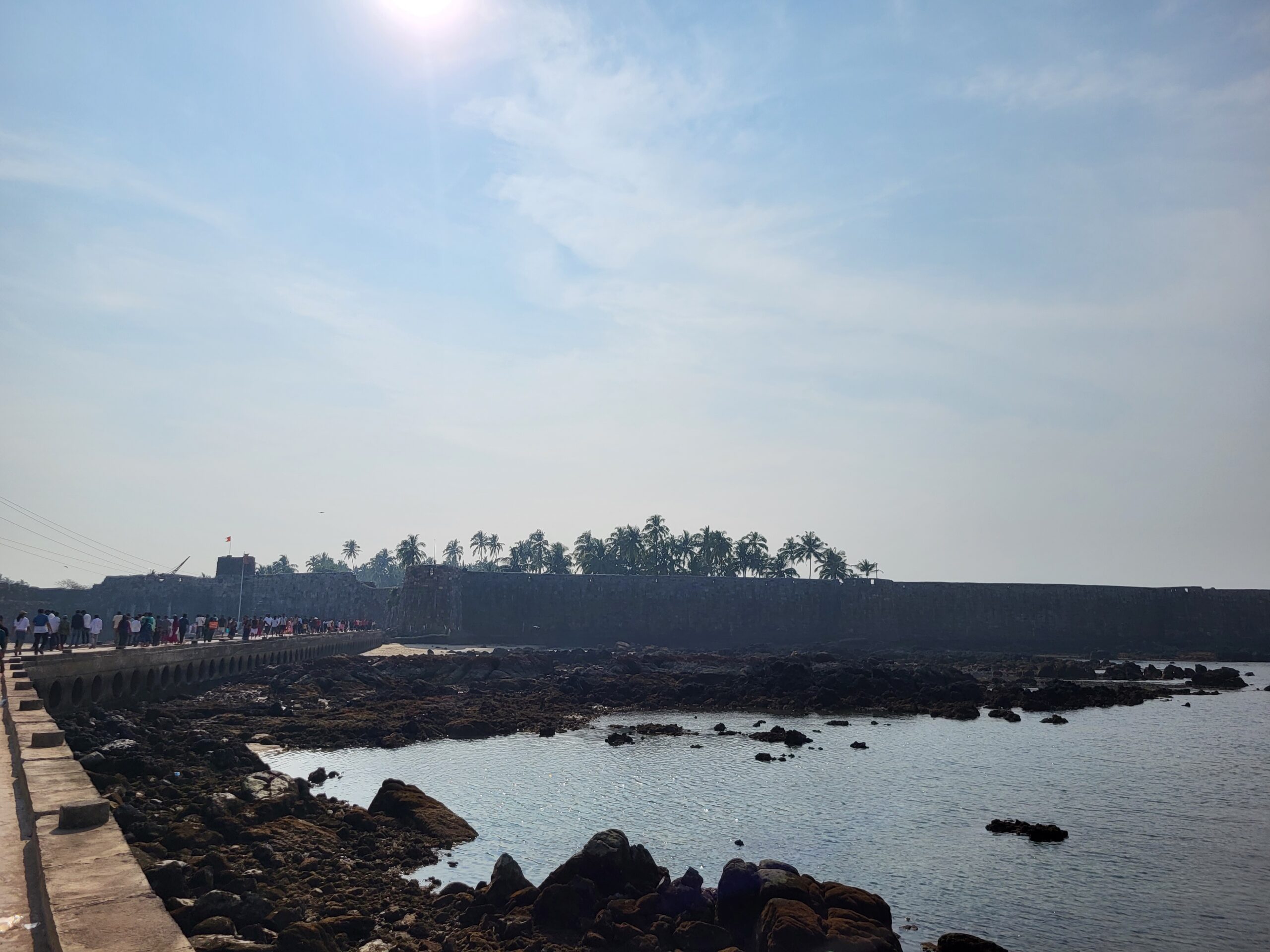
After visiting the Ganpatipule temple and its beach, it felt natural to explore the nearby attractions as well. I learned that Jaygad Fort, Aare–Ware Beach, Prachin Konkan Museum, and the ancestral home of poet Keshavsut at Malgund were all close by.
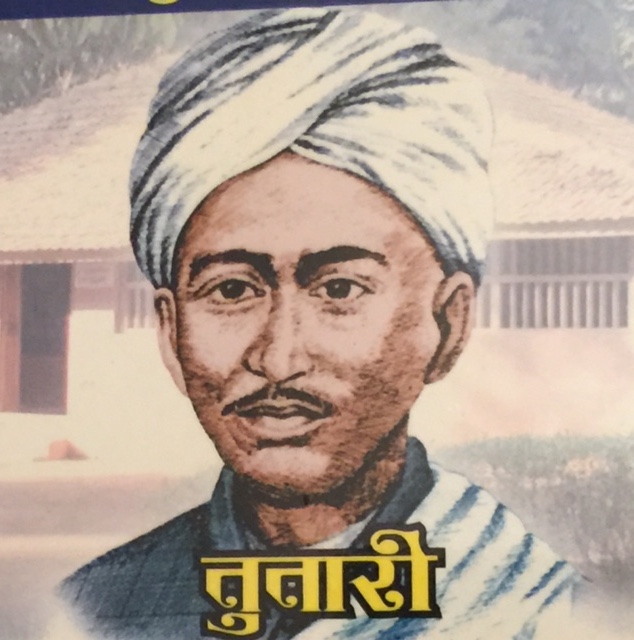
Remembering Keshavsut—celebrated as the father of modern Marathi poetry—brought back several poems from my school days: Tutari, Satariche Bol, Aamhi Kon, and many more. Nostalgia took over, and I decided that Malgund would be my first stop.
Barely 2 km from the Ganpatipule Ganesh temple lies the village of Malgund—blessed with the same serene natural beauty that most Konkan villages enjoy. Narrow lanes, lush greenery all around, and charming sloping-roof Konkani homes. Yet Malgund holds a special place because it is home to the memorial of poet Keshavsut. It is even known as the Poetry Capital of Maharashtra. Visiting such a remarkable place truly felt like a privilege.
Life and Legacy of Poet Keshavsut
Krishnaji Keshav Damle—fondly known as Kavi Keshavsut—was born on 15 March 1866. Although a schoolteacher by profession, his true love was poetry. His verses continue to inspire people across generations, especially lovers of literature and poetry.
Keshavsut passed away young, at just 39, in 1905. In his short life, he composed 132 poems, which hold a significant place in Marathi literature. At a time when India still dreamed of independence, he wrote fearlessly and with a bold, visionary outlook. This memorial is the first ever dedicated to this great poet.
His ancestral home and surrounding land originally belonged to the Malgund Education Society, which later handed it over to the Konkan Marathi Sahitya Parishad for constructing the memorial. The monument was inaugurated in 1994 by the renowned poet Kusumagraj. Later, the Maharashtra government sanctioned funds to expand and beautify the site for tourism. Guided by the dedication and inspiration of Padma Shri awardee, senior litterateur Shri. Madhu Mangesh Karnik, this memorial took shape. His contribution deserves heartfelt gratitude.
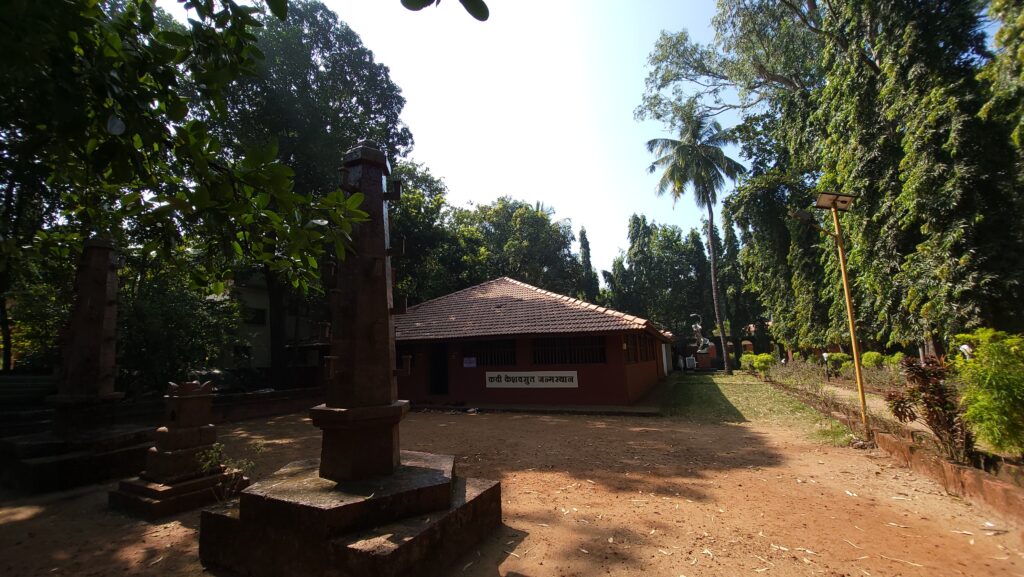
Entering the Memorial
The memorial is open to literature lovers and tourists from 9 a.m. to 6 p.m. The entry fee is just ₹10, and visitors are given an informative booklet.
Passing through the gate and collecting tickets from the counter on the right, we stepped into this unforgettable space. Straight ahead stood Keshavsut’s ancestral home—built in the traditional Konkani style, clean, simple, and serene. The surrounding area is equally peaceful. A beautifully carved stone tulsi vrindavan stands in front of the house, flanked by two stone lamp-pillars. These elements lend the already sacred surroundings a temple-like purity. Truly, this house feels less like a home and more like a shrine dedicated to the poet’s creative spirit.
Inside the Poet’s Home
Keshavsut’s belongings have been carefully restored and arranged, making you feel transported back to his era the moment you step inside. Typical features of a Konkani home are still intact—padvi (veranda), Majghar(central hall), Ota(raised platform), kitchen, and Nhanighar(bathing area).
In the sitting room stands his writing desk. The room where he was born displays his famous poem “Nava Shipai”. A traditional lantern hanging on the wall adds to the period atmosphere.
Poetry Engraved in Stone
Stepping out from the rear door leads to one of the most captivating parts of the memorial—Keshavsut’s poems engraved on granite slabs. Poems like Aamhi Kon, Tutari, Satariche Bol, and several others are etched beautifully. This was my favourite section. I lingered there for a long time, reading each poem.
Like me, I could see some other Marathi poetry lovers completely absorbed and delighted by the place. The expressions of elderly visitors—reading poems they once recited during school days—were indescribably touching.
Garden, Lotus Pond & Inspirational Verses
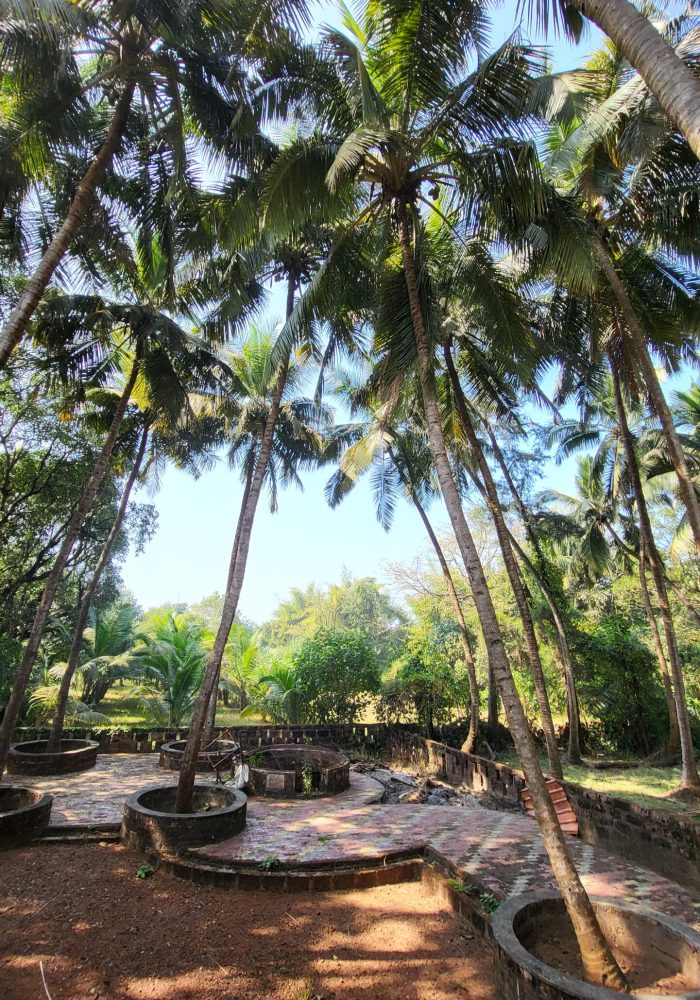
Beside this area is a lovely garden, and a little ahead lies a lotus pond. On the wall behind the pond are engraved the iconic lines from the celebrated poem Tutari:
“Praptakal ha vishal bhudhar,
Sundar leni tayat khoda…”
Reading these lines inevitably made me hum the next ones:
Nijaname tyavarti nonda
Basuni ka vadhavita meda?
Vikram kahi kara, chala tar!
The poem urges us to seize every opportunity, carve our identity through meaningful work, and not waste time—an exhortation to act, create, and achieve.
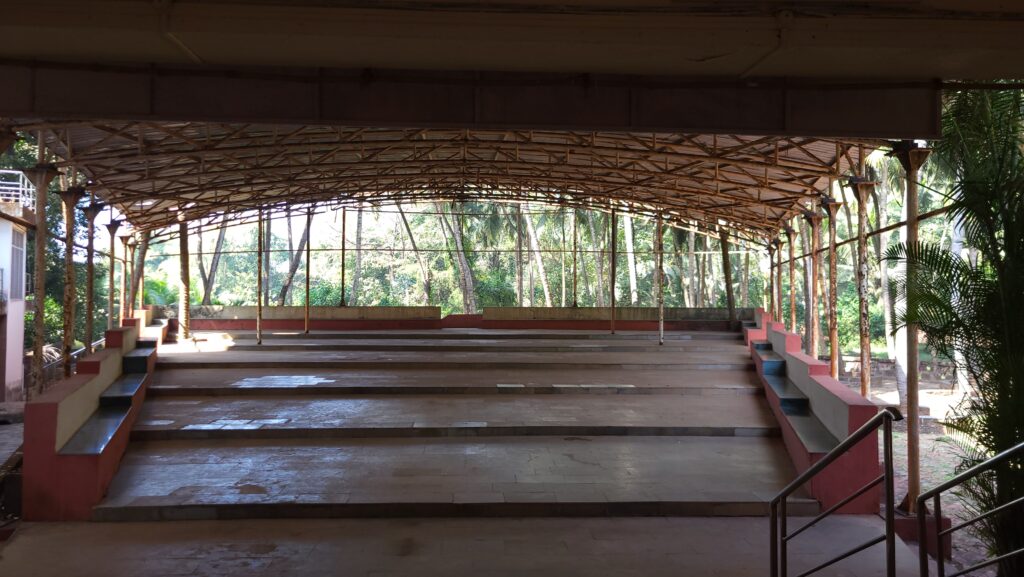
Carrying these uplifting thoughts, I walked further, admiring the greenery around. The chirping of birds pulled me back from my reverie, and I noticed an open-air amphitheatre designed for cultural and literary programs—perfectly complementing the poetic ambiance of the place.
Statue, Library & Literary Treasures
Within the premises stands an impressive statue of Keshavsut. To its left is a library that houses a rich collection of Marathi literature. Seating arrangements allow visitors to sit and read books or newspapers. To the right of the library is a photo display, and in this section you can also find the poetic works of several renowned writers such as Swatantryaveer Savarkar, poet Kusumagraj, poet Anil, Vinda Karandikar, and many others. For lovers of poetry, this library is nothing short of a treasure.
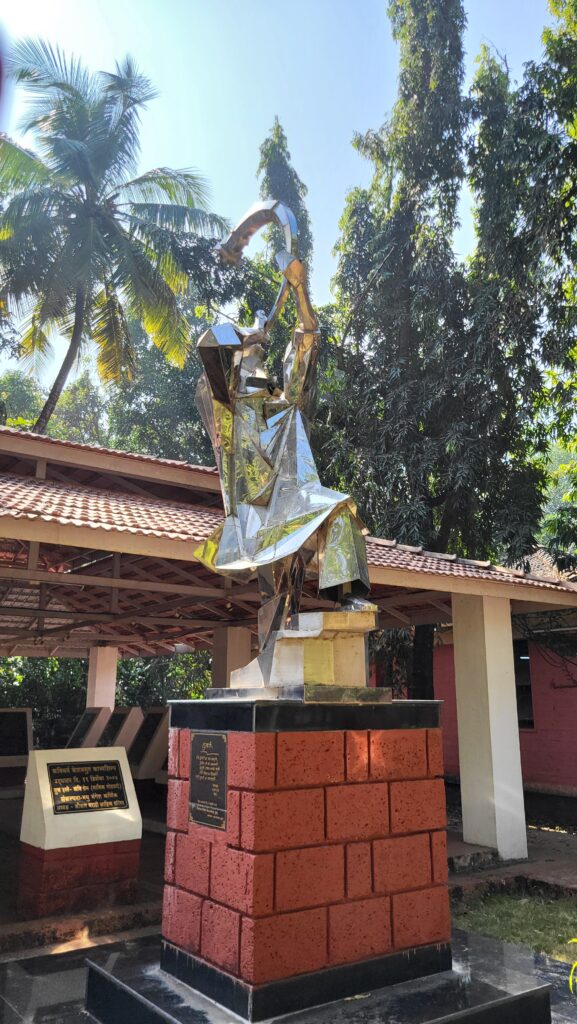
The Iconic Tutari Statue
One of the memorial’s main attractions is the statue of a man blowing the tutari. The pedestal on which the statue stands is engraved with Keshavsut’s original handwritten verses from Tutari, etched on granite.
A Visit to Remember
My visit to Malgund was completely unplanned, yet it turned out to be a deeply enriching experience. For someone like me who cherishes Marathi literature and poetry, this memorial is sure to bring immense joy.