About Torda Village, Goa

Hidden amid lush greenery, Goa’s small villages and the distinctive Goan houses within them are something I never tire of exploring. Built with laterite stone and topped with sloping Mangalorean tiled roofs, these homes have a charm of their own. One such village that I am especially fond of is Torda, located near Porvorim in North Goa. Barely one and a half kilometres from my home, Torda appeals to me for several reasons: its small yet beautiful Ganpati temple, the peaceful Torda creek, and the very famous Houses of Goa Museum.

Houses of Goa, Museum
Traditional Goan Houses and Architecture

Traditional Goan houses follow a style that is truly their own, and their unique beauty has always fascinated me. In today’s world of modern buildings, such homes are slowly disappearing, yet many villagers still maintain their traditional houses with great care. Alongside modest village homes, one can also find grand, mansion-like Goan houses in different parts of the state.

Some reflect a blend of Portuguese and Hindu architectural styles, some are purely Portuguese, while others follow traditional Hindu designs. Though few in number, these houses still stand proudly in Goa’s villages, preserving the region’s architectural heritage.

Houses of Goa Museum – An Overview

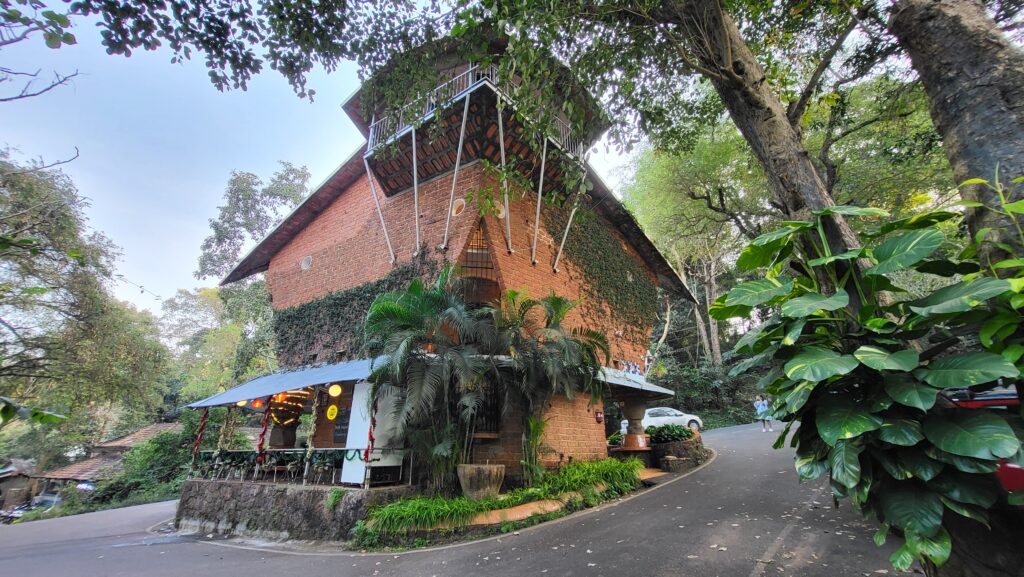
The Houses of Goa Museum is a unique space that brings together information, photographs, and illustrations of these rare and distinctive homes. Its striking ship-like architectural design and the calm natural setting captivate not only tourists but locals as well.

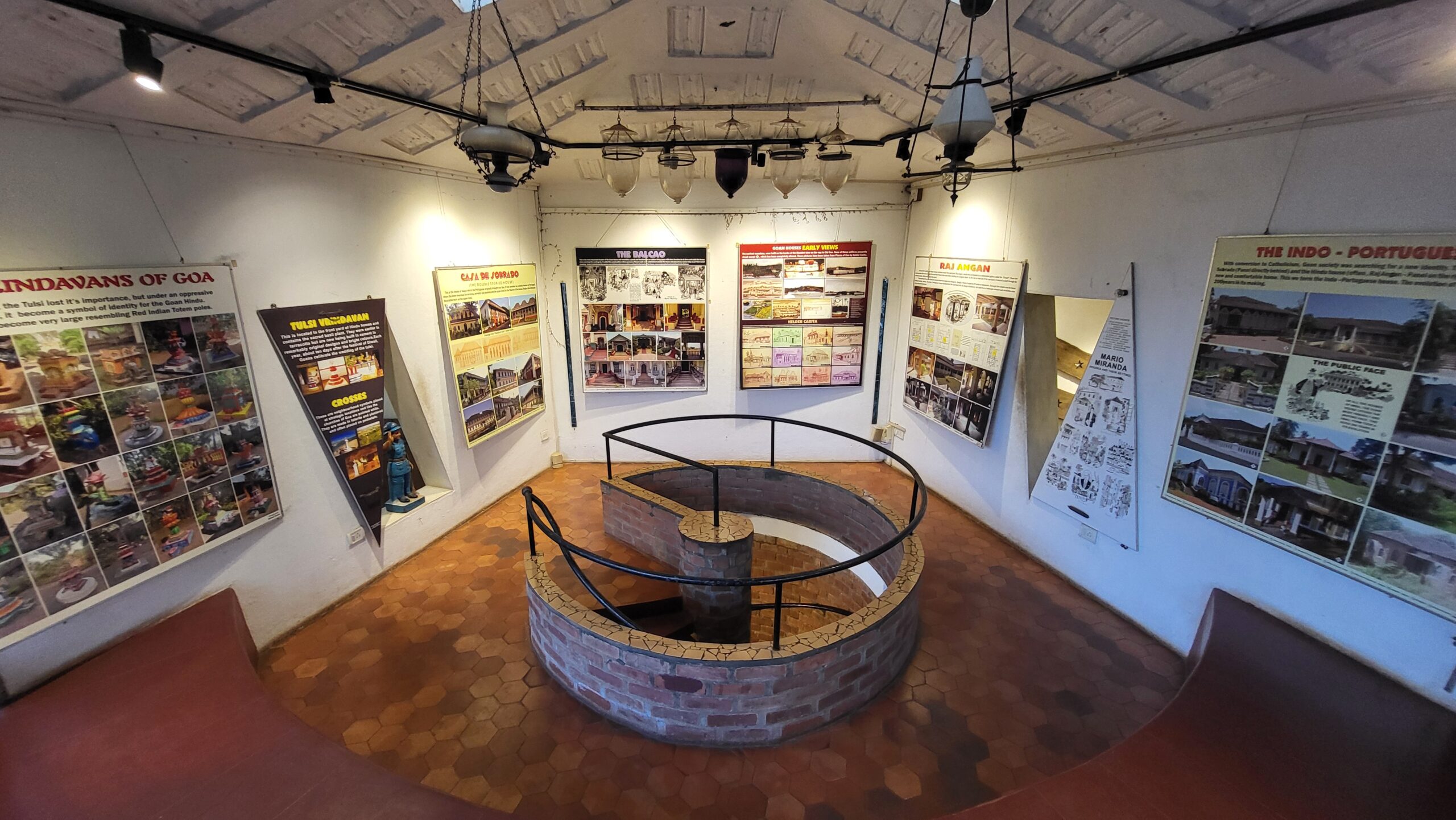
The museum offers a detailed and well-researched exploration of Goan domestic architecture—its styles, building materials, and long-standing construction traditions.

Traditional Objects from Old Goan Homes

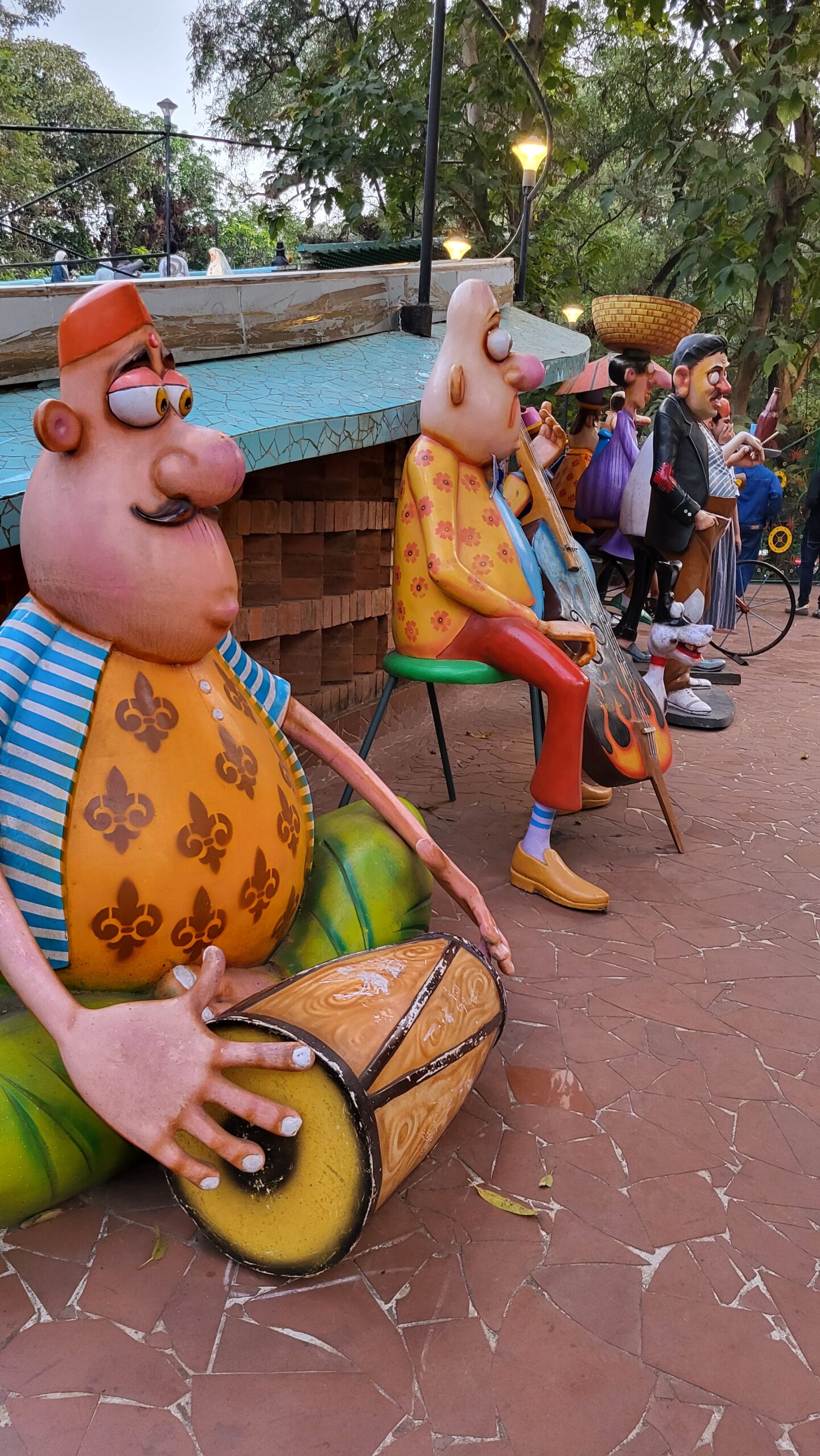
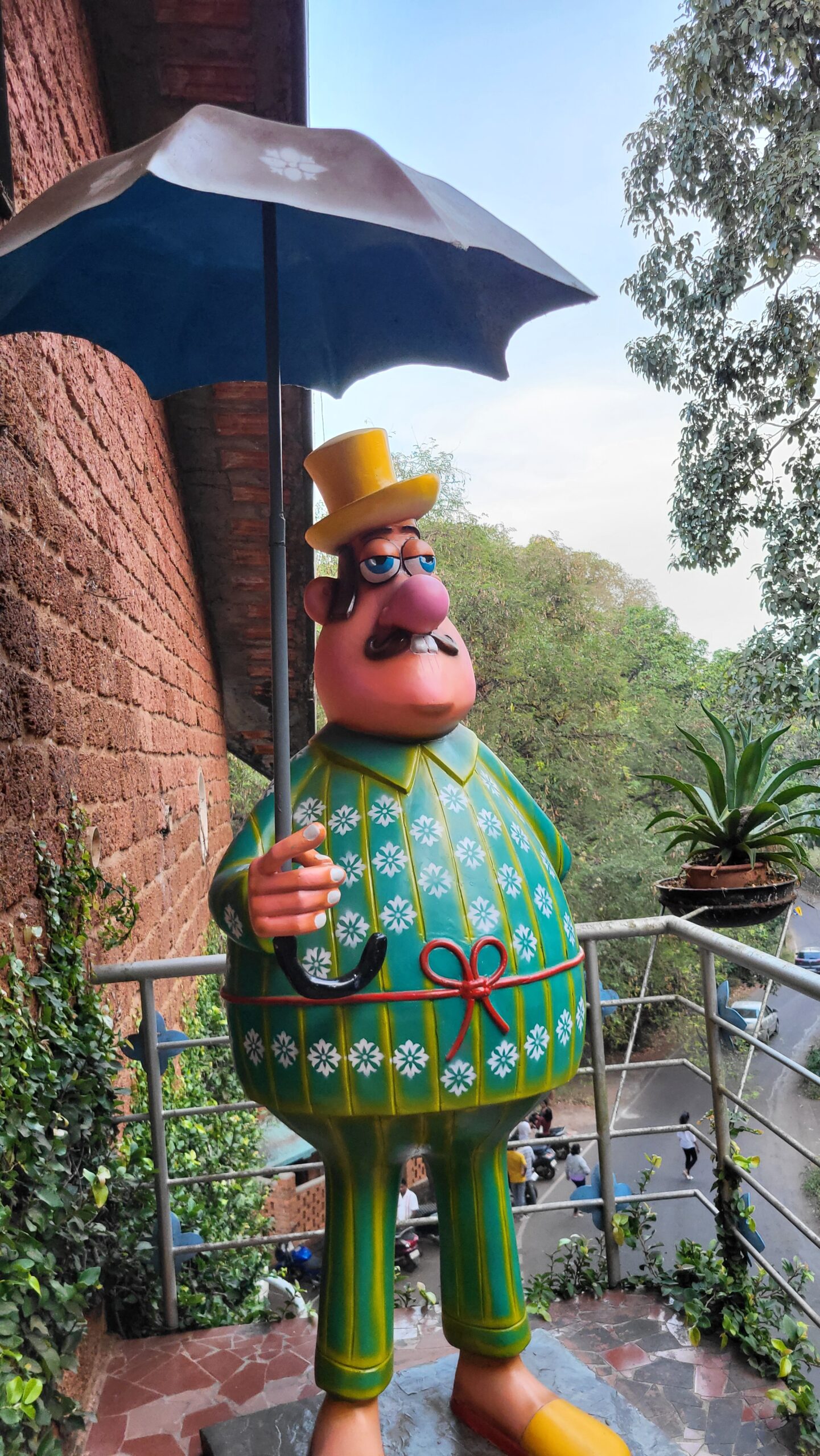
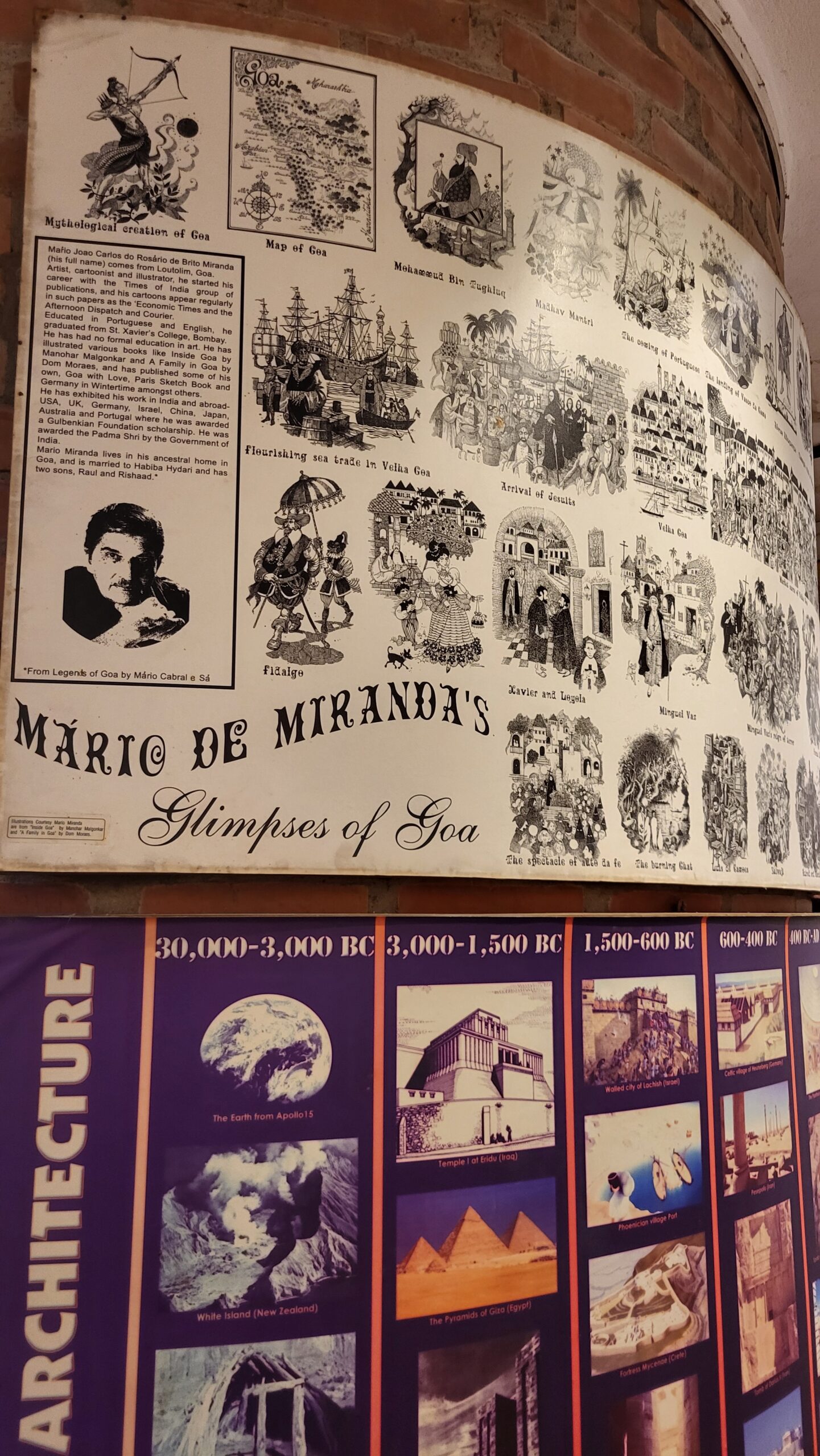
Throughout the museum, the artwork of renowned cartoonist Mario Miranda features prominently. Alongside his illustrations, visitors encounter fascinating objects from old Goan homes—wooden coat hangers that open like umbrellas, pairs of wooden hands once used as picture frames, rooster figures placed atop rooftops, and the striking presence of both Christian symbols such as the holy cross and Hindu elements like the tulsi vrindavan, seen together.

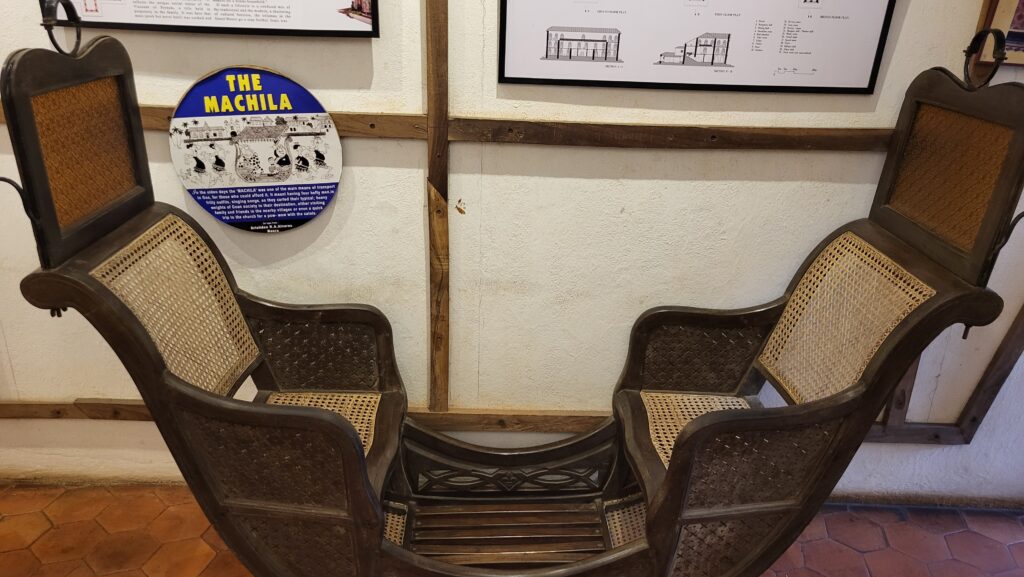
Another notable exhibit is the machila, an old mode of transport in which two people were seated facing each other and carried by hand.

The Machila

Ship-Shaped Architecture of the Museum

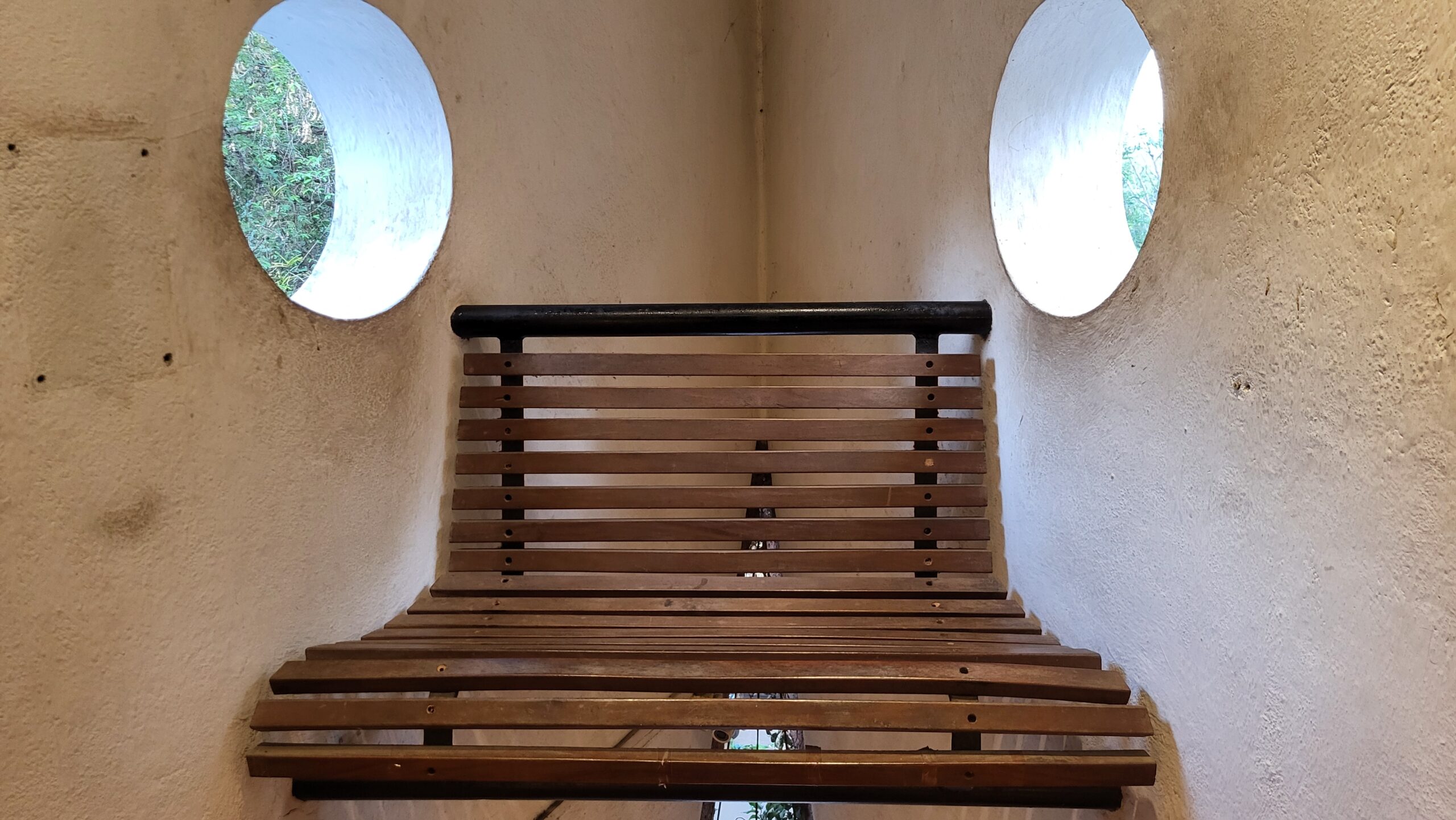
The ship-shaped structure of the museum has been designed with great artistic flair by renowned architect Gerard de Cunha. The building stands on three pillars, and entry to the museum is through the central cylindrical pillar itself. A winding staircase inside leads visitors to the upper floors.

Houses of Goa, Museum
What to See Inside the Houses of Goa Museum

On the first floor, the history of Goa from around 1300 BC onwards is presented through drawings by Mario Miranda. Special emphasis is placed on the deep and lasting impact of the Portuguese on Goan architecture.

This floor also features an exhibition of eight iconic Goan houses, complete with photographs and detailed descriptions:

  • Solar Loyola Furtado – Chinchinim
  • Casa Dos Mirandas – Loutulim
  • The Rane House – Sanquelim
  • Casa Do Godinho Jacques – Majorda
  • Casa Dos Hospedes (Deshprabhu) – Pernem
  • The Naik House – Margao
  • Palacio Santana Da Silva – Margao
  • The Figueredo House – Loutulim

The second-floor displays traditional objects commonly found in Goan homes, including paintings, ornaments, and architectural elements salvaged from old houses, such as entire railings and door frames.

The third floor is designed as an open auditorium. Here, one can see many characteristic features of Goan homes. From this level, which resembles an enclosed terrace, and from the balcony on the second floor, visitors can enjoy lovely views of the road below and the surrounding natural landscape.

Unique Pillar
Unique Pillars Built on Traditional Stone Grinders

The pillars on either side supporting this ship-shaped structure are especially distinctive. In earlier times, spices were ground using a stone grinder known as a ragdo—a large circular stone basin used with a long cylindrical stone. Both side pillars of the building are constructed atop such massive stone grinders.

Because of this architectural ingenuity, the entire building has a striking and graceful presence.

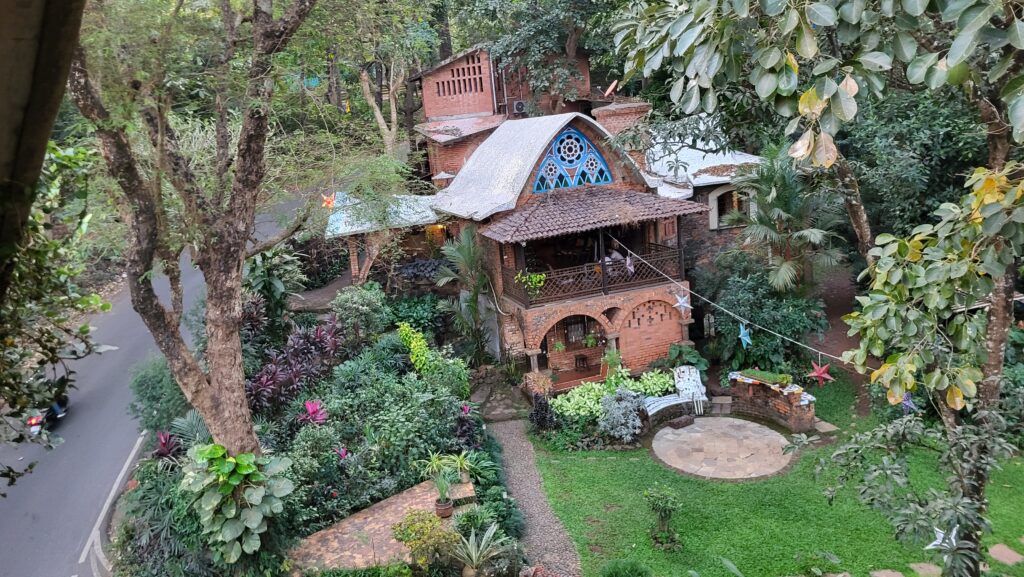
Gerard de Cunha House
Buildings Around the Houses of Goa Museum

This museum and the surrounding area have been created through the imaginative vision of Gerard de Cunha. Nearby, one can also see:

  • Gerard de Cunha’s striking personal residence
  • Shiksha Niketan and Nisha’s Play School, rooted in local traditions
  • A building for music and dance classes
  • An open-air amphitheatre
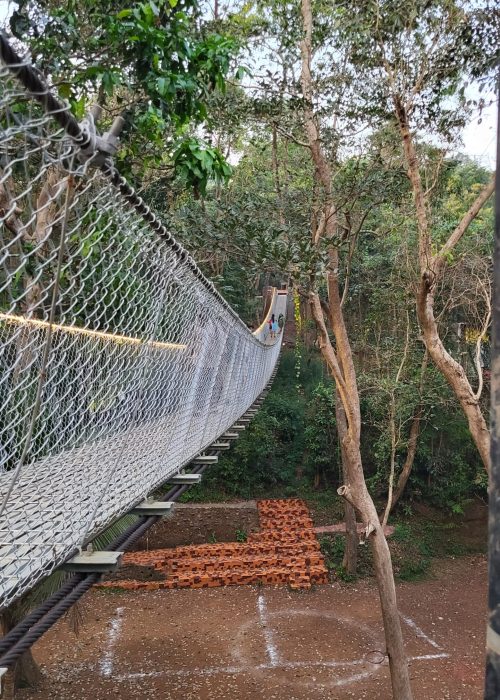
  • Bridge of Dreams, a hanging bridge
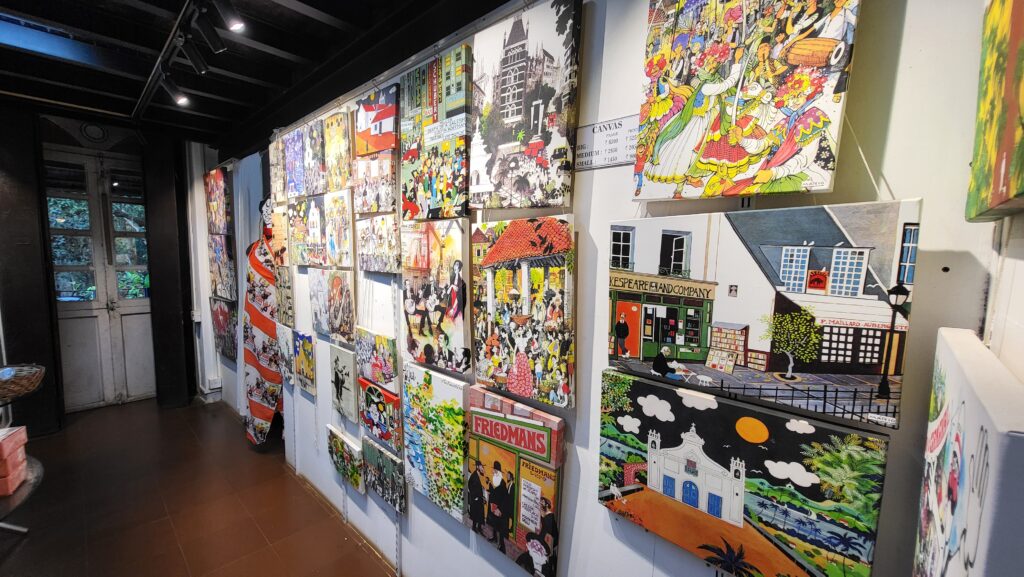
  • The Miranda Art Gallery

Together, these elements form a thoughtfully designed cultural and architectural space extending beyond the museum itself.

Bridge of Dreams
Bridge of Dreams and the surrounding area

The play school is named after Gerard’s wife, Nisha, while the music and dance classes are run in the name of his mother, Mary. The amphitheatre stands out for its walls built using recycled beer bottles.

The Bridge of Dreams is a major attraction. The natural setting around it, along with specially crafted Miranda Touch statues near the amphitheatre, draws large numbers of visitors.

Miranda Art Gallery

Across the street from the museum, the Miranda Gallery showcases original and recreated cartoons by Mario Miranda, available for sale. Visitors can also buy a variety of products featuring his artwork.

Miranda Art Gallery
Location of Houses of Goa Museum

The museum is located in Torda village near Porvorim, under the Salvador do Mundo panchayat. It lies about 8 km from the Panaji bus stand and can be reached in around half an hour by car or two-wheeler.

Visiting Hours and Entry Fees

Visiting Hours: Tuesday to Sunday, 10:00 AM to 7:30 PM
Entry Fee for Houses of Goa Museum: ₹150
Entry Fee for the Hanging Bridge: ₹50

Nearby Places to Visit

The museum is located very close to Porvorim, which is connected to Panaji by the Mandovi Bridge. It is also near Mall De Goa, a popular spot among local residents as well as Indian and international tourists. Since the museum is set in a village, visitors can enjoy the surrounding greenery and the scenic Torda creek. The Pomburpa spring is also nearby, just a 10–15 minute drive away.

Panaji city is only about 7–8 km from here, making it easy to visit places like Fontainhas, Miramar Beach, and Dona Paula. Calangute Beach and Old Goa are also conveniently located, at a distance of around 15 km.

Categories: Goa

error: Content is protected !!