Who is Goddess Lairai?
The Fascinating Story Behind Goa’s Famous Shirgao Jatra & Firewalking Ritual
Goddess Lairai is one of the most revered Hindu deities in Goa, worshipped as a powerful Gramdevata (village goddess). Her temple in Shirgao attracts thousands of devotees and tourists every year, especially during the famous Lairai Jatra and firewalking festival.
While locals have deep-rooted faith in her, many travelers and newcomers often search: “Who is Goddess Lairai?”
Her story is not just spiritual—it’s a blend of history, mythology, culture, and interfaith harmony, making it one of the most unique legends in Goa.
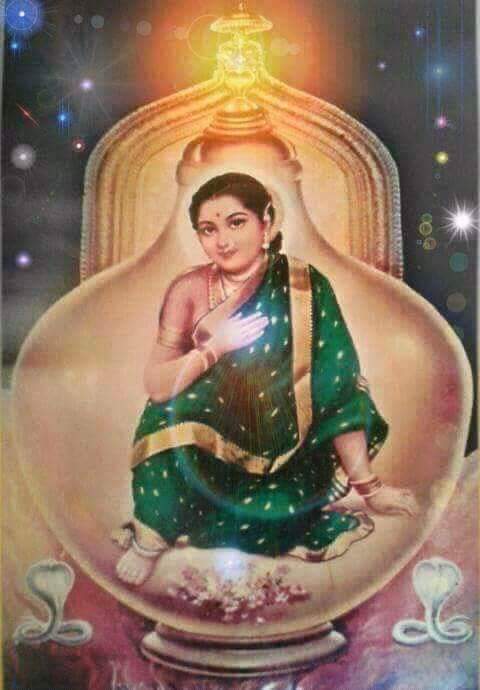
The Tale of Goddess Lairai and Her Siblings
The Divine Siblings’ Journey to Goa: A Tale Rooted in Mayem
Around 700-800 years ago, eight siblings, while journeying from the holy land of Kashi, traveled southward toward the Konkan region and eventually arrived in Bicholim, Goa.
They halted at the temple of Goddess Shantadurga for hospitality. Recognizing their divine essence through her divine powers, Shantadurga advised them to proceed to Mayem.
Following her guidance, the siblings stopped to rest at Vaddane, a place now famous as the ‘Sat Mayechi Vaska’ in Mayem.
In this picturesque village blessed by nature, the seven sisters and one brother captivated the attention of the locals with their charm and grace.
However, what began as a peaceful journey soon turned into a story of separation, destiny, and penance.
The Legend Behind the Firewalking Ritual (Agnidivya)
One day, the eldest sister Kelbai sent their younger brother Khetoba to fetch fire from the village to prepare a meal. However, young Khetoba became engrossed in watching a group of children playing in the village. As time passed and Khetoba did not return, Kelbai asked Lairai to go and look for him.
When Goddess Lairai went looking for him, she found him immersed in the game. In anger, she struck him. Upset by her actions, Khetoba refused to return and left for Vaiginim.
Lairai returned alone, but after some time, her anger subsided, and she regretted her actions. Filled with remorse, she departed for Shirgao.
As an act of penance, Lairai walked barefoot over fire in a ritual known as agnidivya. To this day, thousands of her devotees, known as dhonds, perform this fire-walking ritual during her fair (jatra).
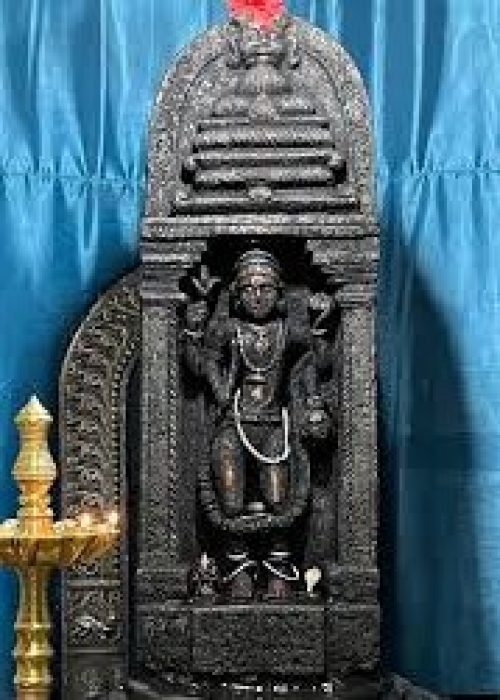
Kelbai’s Fire Ritual at Mulgaon
Feeling responsible for the events, Kelbai moved to Mulgaon, where she performed her own penance.
She carried a pot filled with fire (agate) on her head and walked across flames. This ritual is still practiced during the Mulgaon festival, where devotees dance with fire pots on their heads —creating a powerful visual and spiritual experience.
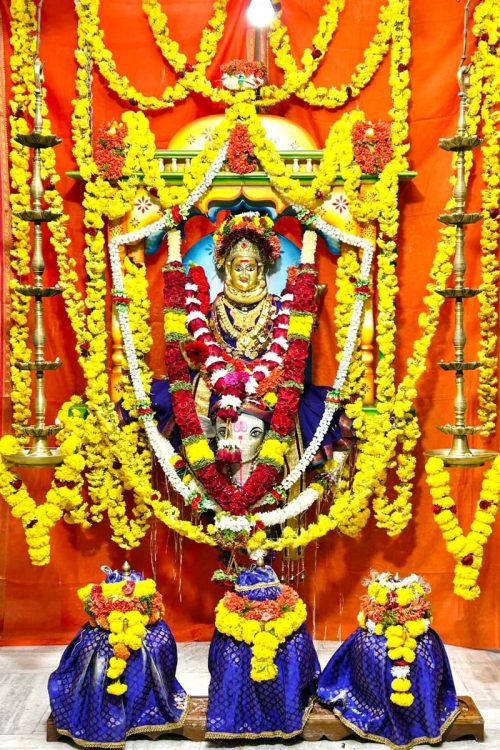
The Eight Siblings and Their Temples
In Goa, these sisters are revered as Gramdevata (village deities) and are regarded as the primal maternal figures (Maya).
Following the eldest sister’s guidance, the siblings eventually settled in different locations, which are now their sacred abodes:
- Lairai: Shirgao
- Kelbai: Mulgaon
- Mahamai: Maye
- Mirabai (Milagres): Mapusa
- Morzai: Morjim
- Ajadipa: Anjediva Island near Karwar
- Sheetalai: On the Arabian Sea coast
- Dev Khetoba: Vaiguinim
Devotees in Goa believe that these siblings reunite once a year, exchanging gifts during their annual festivals.
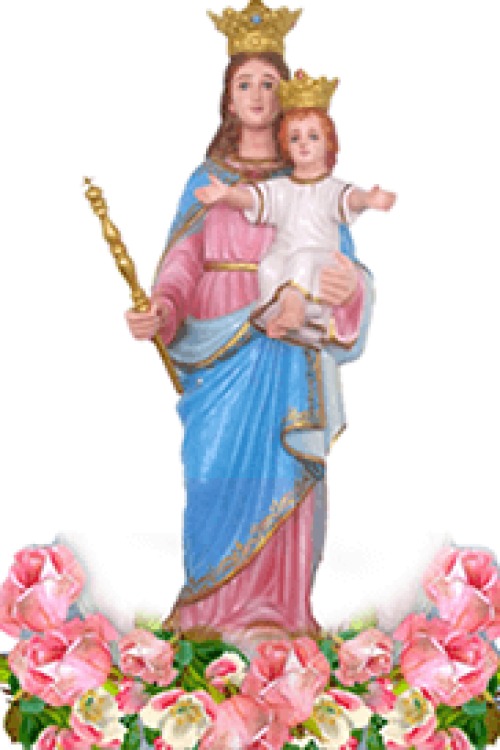
Mirabai to Milagres: A Unique Hindu–Catholic Connection
One of the most fascinating aspects of this legend is the transformation of Mirabai, one of the sisters.
During Portuguese rule, her temple was destroyed. It is believed that she later manifested as Our Lady of Miracles Church, also known as Milagres Saibinn.
A Rare Example of Religious Harmony in Goa
Even today, a beautiful tradition connects these two faiths:
During the Milagres feast, oil is offered from the Lairai Temple of Shirgaon.
Similarly, during the Shirgao Jatra, jasmine flowers—dear to Goddess Lairai— are sent from the Milagres Church.
As per tradition, the Milagres feast is celebrated on the third Monday after Easter, while Goddess Lairai’s Jatra is observed on Vaishakh Shuddha Panchami. Occasionally, these two festivals coincide, bringing a rare and beautiful convergence of faiths.
During such times, both Hindus and Catholics come together with devotion and enthusiasm to worship the goddess and the saint.
This tradition stands as a powerful symbol of Goa’s cultural harmony and unity in diversity.
This is the fascinating story of Goddess Lairai and her siblings, steeped in tradition and unity.